Introduction
In an unforeseeable globe, the capability to respond properly to emergencies can save lives. First aid courses equip more info individuals with vital skills and understanding to handle medical situations until specialist help shows up. Whether you're a parent, educator, or workplace safety and security police officer, comprehending first aid concepts is vital. This article intends to provide an extensive introduction of first aid training courses, including what you can anticipate from them and how to choose the right one for your needs.
First Aid Courses Explained: What to Expect and How to Choose
Understanding First Aid: The Basics
First aid refers to the instant support given to a person suffering from disease or injury. It encompasses a variety of strategies focused on maintaining life, stopping more damage, and promoting recuperation.
Key Principles of First Aid
- Preserve Life: Making sure that the casualty's life is preserved is paramount. Prevent Additional Injury: After making sure safety, procedures should be required to prevent any kind of exacerbation of existing injuries. Promote Healing: Motivating recuperation through peace of mind and suitable care.
What is Included in a First Aid Course?
A common first aid training course covers numerous topics important for emergency feedback. Right here's what you can generally anticipate:
1. Standard Life Support (BLS)
- Understanding CPR (Cardiopulmonary Resuscitation) Performing chest compressions and rescue breaths Recognizing when BLS is necessary
2. The DRSABCD Action Plan
- Dangers: Analyzing the scene for hazards Response: Checking if the patient responds Send for assistance: Calling emergency situation services Airway: Guaranteeing the airway is clear Breathing: Looking for regular breathing CPR: Carrying out CPR otherwise breathing Defibrillation: Using an AED (Automated External Defibrillator)
3. Taking Care Of Typical Injuries
Learning how to handle circumstances like:
- Choking incidents Cuts and abrasions Burns and scalds
4. Mental Health First Aid
Understanding cpr and first aid classes exactly how to sustain someone experiencing a psychological health and wellness crisis is increasingly included in first aid training.
Types of First Aid Surges Available
There are numerous kinds of first aid courses tailored for different demands:
1. Standard First Aid Course
This comprehensive training course covers all fundamental topics.
2. Advanced First Aid Course
An advanced course 1st aid and cpr that consists of much more intricate circumstances, ideal for healthcare professionals.
3. Child Care First Aid Course
Designed specifically for caregivers collaborating with children.
4. Mental Health First Aid Course
Focused on acknowledging mental health and wellness situations and providing ideal support.
Choosing the Right First Aid Course
Selecting the right first aid training course includes a number of considerations:
1. Assess Your Needs
Identify why you need this training-- whether it's for personal knowledge, office requirements, or childcare responsibilities.
2. Examine Accreditation
Ensure that the training course provider is approved by pertinent organizations like the Australian Resuscitation Council (ARC).
3. Contrast Program Content
Review curricula from various service providers; some might concentrate much more on certain areas like CPR or manual handling training than others.
What Do You Need Prior To Attending?
Before participating in a first aid training course, individuals normally require:
The Importance of CPR Training
Why Is CPR Essential?
CPR stands as a vital life-saving action throughout cardiac arrest situations where every 2nd counts.
What Does CPR Stand For?
CPR stands for Cardiopulmonary Resuscitation-- an approach used when someone has actually quit breathing or their heart has quit beating.
How Is CPR Taught?
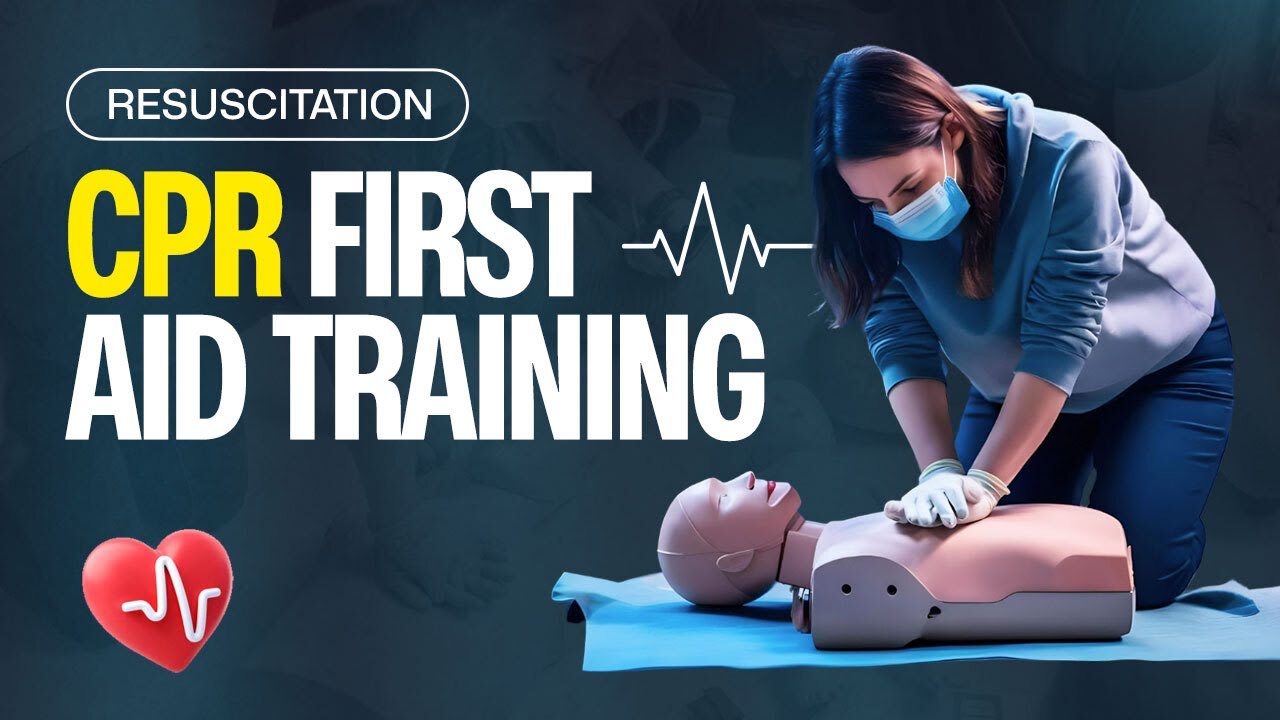
Courses commonly include both academic understanding and practical demonstrations:
- Learning about heart makeup and function. Practicing upper body compressions on mannequins. Understanding how to make use of an AED effectively.
Mental Health in First Aid Courses
Why Mental Wellness Matters?
Recognizing mental health and wellness issues is vital as they can significantly affect people' total wellness during emergencies.
What Does Mental Health and wellness First Aid Include?
Courses cover:

- Identifying indicators of mental distress. Communicating efficiently with damaged individuals. Knowing when to refer a person for professional help.
Online vs In-Person Training: Pros & Cons
Both online training courses and typical class setups have their advantages:
Online Courses
Pros:
- Flexibility in scheduling. Convenience of discovering at home.
Cons:

- Limited interaction with instructors. Less hands-on technique opportunities.
In-Person Courses
Pros:
- Direct communication with instructors. Hands-on experience with devices like mannequins and AEDs.
Cons:
- Fixed timetables may not fit everybody's availability.
Duration of Educating Sessions
First aid courses vary in duration relying on web content deepness:
|Type of Course|Period|| --------------------------------|------------------|| Standard First Aid|1 day (8 hours)|| Advanced First Aid|2 days|| Child care Focused|6 hours|| Mental Health Focused|14 hours|
First Help Accreditation Credibility Periods
Most first aid certificates stand for three years before needing renewal with refresher courses or re-certification tests.
How Long Does a Certification Last?
It's important to keep track of your accreditation's expiration day due to the fact that functioning without upgraded credentials can lead you into legal problem throughout emergencies.
Frequently Asked Questions About First Aid Courses
Q1: What is consisted of in a typical first aid course?
A criterion first aid training course generally consists of CPR training, injury monitoring strategies, dealing with choking cases, burns therapy, and mental wellness recognition components.
Q2: Just how do I discover a first aid program near me?
You can browse online using key words like "first aid training course near me" or see regional recreation center that commonly offer these courses regularly.
Q3: How much time does it take to obtain certified?
Depending on the type of training course picked, certification can be acquired within one day or over a number of days if seeking sophisticated options.
Q4: Are online first aid training courses as efficient as standard ones?
While online programs give fundamental understanding conveniently, hands-on technique offered in conventional settings enhances ability retention significantly far better than concept alone might offer.
Q5: Can I educate others after completing my certification?
Generally talking-- no! To teach formally requires extra qualifications past just finishing a fundamental program; however sharing expertise informally among friends/family doesn't posture issues!
Q6: Exist any type of refresher courses available?
Yes! Refresher courses are made especially as short sessions focused on upgrading skills learned formerly without having participants retake whole programs again!
Conclusion
Navigating via emergency scenarios calls for not just guts but additionally preparedness-- a lesson emphasized throughout this exploration into "First Aid Courses Explained: What to Expect and How to Pick." From understanding standard principles such as DRSABCD methods down through described aspects concerning psychological health and wellness understanding-- registration into these crucial trainings will undoubtedly furnish participants with lifesaving devices required during critical moments!
Whether you have an interest in obtaining individual peace-of-mind while improving workplace security protocols-- attending any kind of kind(s) discussed above will certainly confirm invaluable!